
Fish Farming: A Complete Guide to Starting and Managing a Successful Fish Farm
Fish farming, also known as aquaculture, is one of the most important and growing agricultural businesses in many countries. With increasing demand for fresh and nutritious fish, fish farming can be a profitable business when it is properly planned and managed. Whether you are a beginner or an experienced farmer, understanding the basic principles of fish farming can help you reduce costs, improve fish growth, and increase your overall profit.
In this guide, we will discuss what fish farming is, how to start a fish farm, suitable fish species, pond preparation, feeding, water management, common problems, and important tips for running a successful fish farming business.
What Is Fish Farming?
Fish farming is the practice of raising fish in a controlled environment such as ponds, tanks, cages, or other water-based systems. Unlike traditional fishing, where fish are caught from rivers, lakes, or oceans, fish farming allows farmers to control important factors such as feeding, water quality, stocking density, and fish growth.
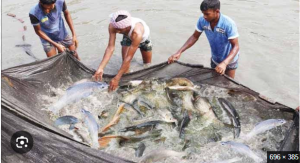
The main goal of fish farming is to produce healthy fish efficiently and sell them in local or commercial markets. Depending on the available land, water, budget, and market demand, farmers can choose different fish species and farming methods.
Why Is Fish Farming Important?
Fish is an important source of protein and other essential nutrients. As the population grows and demand for fish increases, commercial fish farming has become an attractive business opportunity.
One major advantage of fish farming is that farmers can produce fish throughout the year under controlled conditions. Proper management can also help farmers use available land and water resources more efficiently.
Fish farming can create employment opportunities and provide an additional source of income for rural communities. Small-scale farmers can start with a relatively simple pond system and gradually expand their operations as their experience and capital increase.
How to Start a Fish Farming Business
Starting a fish farm requires proper planning. Before investing money, you should understand your local market, available resources, and farming requirements.
1. Choose a Suitable Location
The location of your fish farm is one of the most important factors for success. Choose an area where sufficient water is available throughout the farming season.
The land should preferably have suitable soil for constructing or maintaining a pond. Good road access is also useful because you will need to transport fish feed, equipment, fingerlings, and harvested fish.
Before starting construction, consider whether the area is suitable for fish farming and whether there are any local environmental or regulatory requirements.
2. Select the Right Fish Species
Choosing the right fish species is essential. Different species have different growth rates, feeding habits, water requirements, and market values.
Commonly farmed fish include tilapia, carp, catfish, and other locally suitable species. In Bangladesh and other South Asian markets, species such as tilapia, pangasius, rohu, catla, and other carp varieties are commonly considered for commercial production.
The best choice depends on your local climate, water conditions, available feed, farming experience, and customer demand.
3. Prepare the Pond
Proper pond preparation creates a healthy environment for fish growth. Before stocking fingerlings, remove unwanted aquatic plants, harmful organisms, and excessive mud or waste where necessary.
The pond should have proper water depth and an effective inlet and outlet system. Farmers should also make sure that the pond banks are strong enough to prevent water leakage or flooding.
Good pond preparation can reduce many problems later and provide fish with a better environment for growth.
Choosing Healthy Fingerlings
The quality of fingerlings has a direct impact on fish farming results. Always try to purchase healthy and active fingerlings from a reliable hatchery or supplier.
Healthy fingerlings should generally appear active, have normal body shape, and show no visible signs of disease or injury. Avoid purchasing weak or damaged fish simply because they are cheaper.
Stocking the appropriate number of fingerlings is also important. Overstocking can increase competition for food and oxygen and may negatively affect water quality and fish growth.
Fish Feeding and Nutrition
Proper feeding is one of the most important parts of fish farming. Fish require adequate nutrients for healthy growth, and the type and quantity of feed should be appropriate for the selected species and their growth stage.
Farmers should avoid giving excessive feed. Uneaten feed can decompose in the water and contribute to poor water quality.
A good feeding routine should consider fish size, water temperature, species, stocking density, and growth stage. Regularly observing fish behavior can also help farmers determine whether the feeding schedule needs adjustment.
Importance of Water Quality in Fish Farming
Water quality has a major influence on fish health and growth. Poor water conditions can reduce fish activity, slow growth, increase disease risk, and even cause mortality.
Important factors include dissolved oxygen, temperature, pH, ammonia, and overall water cleanliness.
Farmers should regularly monitor the pond and look for unusual changes. If fish are frequently coming to the surface, swimming abnormally, or showing reduced feeding activity, it may indicate a water-quality or health problem.
Maintaining adequate oxygen and avoiding excessive organic waste are important parts of good pond management.
Fish Health and Disease Prevention
Disease prevention is better than trying to treat a serious problem after it occurs. Maintaining good water quality, using healthy fingerlings, avoiding overstocking, and providing appropriate nutrition can help reduce disease risks.
Farmers should regularly observe fish for unusual behavior, physical damage, changes in appetite, or other signs of illness.
If a serious disease problem occurs, it is better to seek advice from a qualified fisheries or aquatic animal health professional rather than using medicines or chemicals without proper guidance.
Common Challenges in Fish Farming
Although fish farming can be profitable, farmers may face several challenges.
One common problem is fluctuating fish feed prices. Since feed can represent a significant part of operating costs, farmers need to manage feeding carefully and avoid unnecessary waste.
Water-quality problems are another major challenge. Poor oxygen levels, excessive organic matter, unsuitable pH, or other environmental changes can affect fish growth.
Disease outbreaks, extreme weather, flooding, theft, and market-price fluctuations can also affect profitability. Proper planning and regular monitoring can help reduce these risks.
How to Increase Fish Farming Profit
Profitability depends on several factors, including production cost, fish growth, survival rate, feed efficiency, and selling price.
To improve profitability, farmers should focus on efficient feed management and avoid unnecessary expenses. Purchasing quality fingerlings and maintaining suitable stocking density can also improve production results.
It is useful to keep detailed records of fingerling purchases, feed costs, labor expenses, water management, fish growth, mortality, and sales. These records can help identify where money is being spent and where improvements can be made.
Farmers should also understand local market demand before harvesting. Selling fish at the right time and choosing suitable buyers can make a significant difference in overall profit.
Small-Scale Fish Farming for Beginners
People who are new to fish farming do not necessarily need to start with a large commercial farm. Starting on a small scale can be a practical way to gain experience.
A beginner can start with a suitable existing pond and focus on learning pond preparation, stocking, feeding, water management, and harvesting.
Once the farmer understands the production process and market conditions, the operation can gradually be expanded.
Small-scale fish farming can therefore be an attractive option for people who have access to suitable land and water but want to manage their initial investment carefully.
Sustainable Fish Farming Practices
Sustainable fish farming focuses on producing fish while minimizing unnecessary environmental impact.
Responsible feed management, proper waste control, efficient use of water, and appropriate stocking density can help maintain a healthier farming environment.
Farmers should also avoid using chemicals or treatments unnecessarily. Following recommended farming practices and local regulations can help protect both the farm and surrounding water resources.
Conclusion
Fish farming can be a rewarding agricultural business when it is managed with proper planning, quality fingerlings, suitable fish species, balanced feeding, and good water management.
Success does not depend only on having a large pond or investing a lot of money. Careful management, regular monitoring, market knowledge, and controlling production costs are equally important.
If you are planning to start fish farming, begin by understanding your local environment and market demand. Choose suitable fish species, prepare the pond properly, maintain good water quality, provide appropriate feed, and keep accurate financial records.
With the right knowledge and consistent management, fish farming can become a sustainable source of food, employment, and income.
Frequently Asked Questions About Fish Farming
Is fish farming profitable?
Fish farming can be profitable, but profitability depends on factors such as fish species, feed cost, stocking density, survival rate, production cost, and market price. Proper planning and management are essential.
Which fish are suitable for farming?
Suitable fish species vary by location and farming system. Tilapia, carp, pangasius, catfish, rohu, and catla are examples of commonly farmed species in different markets.
How important is fish feed?
Fish feed is extremely important because nutrition directly affects fish growth. However, excessive feeding can waste money and negatively affect water quality.
How can fish diseases be prevented?
Using healthy fingerlings, maintaining good water quality, avoiding overstocking, providing appropriate nutrition, and monitoring fish regularly can help reduce disease risks.
Can beginners start fish farming?
Yes. Beginners can start with a small-scale operation to gain practical experience before expanding the farm.
Start Your Fish Farming Journey
Successful fish farming begins with proper planning and continuous learning. Whether you want to start a small pond or develop a commercial fish farm, understanding the fundamentals can help you make better decisions and improve your farming results.
Pingback: Fish Farming: Complete Guide for Beginners