
Introduction
Fish farming is the practice of raising fish under controlled conditions for food, income, and commercial production. From small family ponds to large commercial farms, aquaculture has become an important part of the global food system. In 2024, aquaculture produced more than 100 million tonnes of aquatic animals worldwide, highlighting its growing role in meeting demand for aquatic food.
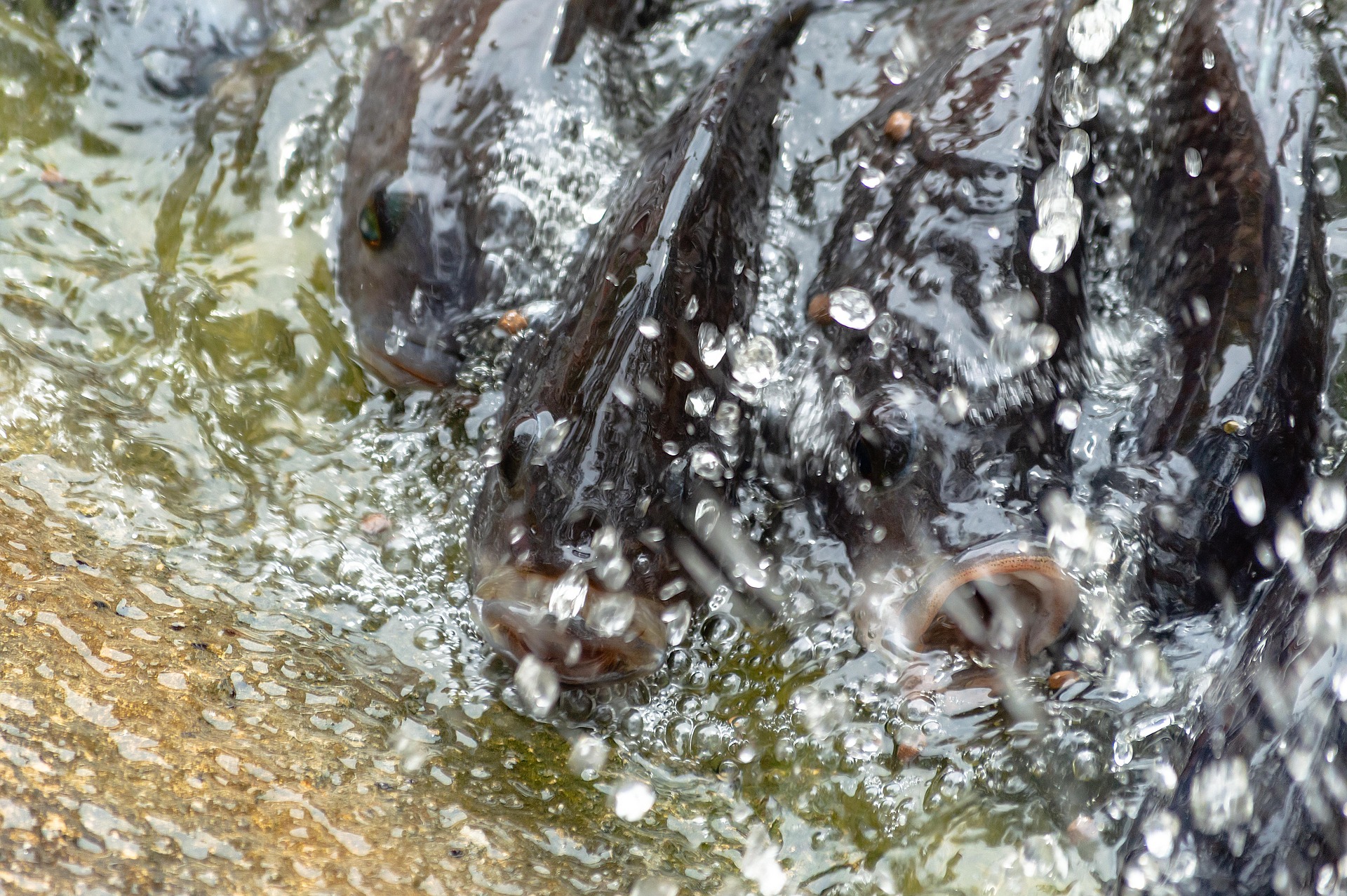
For beginners, however, successful fish farming requires more than simply putting fish into a pond and feeding them. Farmers need to choose suitable fish species, prepare the farming environment, manage water quality, provide proper nutrition, prevent disease, and understand the local market.
This guide explains the major fish farming methods, how to start a fish farm, important management practices, common challenges, profitability factors, and sustainable approaches.
What Is Fish Farming?
Fish farming is a form of aquaculture in which fish are bred, stocked, fed, and managed in a controlled environment until they reach a suitable size for sale or consumption. Aquaculture can take place in ponds, tanks, cages, rivers, lakes, reservoirs, and marine environments.
Unlike capture fishing, where fish are caught from natural water bodies, farming involves active management of the stock. This may include stocking young fish, providing feed, controlling predators, monitoring water conditions, and managing fish health.
The objective is to create suitable conditions that allow fish to grow efficiently while maintaining good survival rates and product quality.
Why Is Fish Farming Important?
Fish farming plays an important role in food production, employment, and rural economic development. It can provide farmers with an additional source of income while supplying consumers with nutritious aquatic food.
Aquaculture is particularly important because wild fisheries cannot expand indefinitely. According to FAO, aquaculture has become the main driver of growth in global aquatic animal production.
Some important benefits include:
- Production of high-quality animal protein
- Additional income for farmers
- Employment throughout the aquaculture supply chain
- Better use of suitable land and water resources
- Regular supply of fish to local markets
- Opportunities for small, medium, and large-scale businesses
In Bangladesh, aquaculture is especially significant. Common farming systems include earthen ponds, floodplains, baor and gher, while pond farming remains a major production method. Common farmed species include major carps, exotic carps, tilapia, pangas, and climbing perch.
Types of Fish Farming
Different production systems are suitable for different locations, budgets, species, and management capabilities.
Pond Fish Farming
Pond farming is one of the most common systems. Fish are stocked in an earthen or lined pond and raised for a specific production period.
A well-managed pond requires appropriate depth, water quality, drainage, protection from predators, and regular monitoring. Farmers may raise a single species or use several compatible species together.
Cage Fish Farming
Cage farming involves keeping fish inside floating or fixed cages placed in suitable water bodies. Water flows through the cage, providing a continuous exchange of water.
This method can make productive use of lakes, reservoirs, and other appropriate water bodies. However, cage farms require careful site selection, stocking management, feeding, and protection against environmental risks.
Tank-Based Fish Farming
Tank systems allow farmers to control the production environment more closely. Tanks can be constructed from concrete, fiberglass, plastic, or other suitable materials.
Some intensive systems use filtration, aeration, and water recirculation. These systems can achieve high production in limited space, but they generally require greater investment, technical knowledge, and reliable management.
Integrated and Modern Systems
Modern aquaculture may combine fish production with other agricultural activities. Examples include rice-fish farming and systems that recycle nutrients or water.
The best system depends on available land, water, capital, species, technical skills, electricity, and market demand.
How to Start a Fish Farming Business
Starting a fish farming business requires planning before stocking the first fish.
1. Choose the Right Location
Location is one of the most important decisions. Farmers should evaluate the availability and quality of water, soil, drainage, accessibility, electricity, security, and distance from markets.
High-quality water is particularly important because water conditions influence both the species that can be farmed and the production system used.
Avoid locations that are regularly exposed to uncontrolled flooding, industrial pollution, contaminated water, or other serious environmental risks.
2. Prepare the Pond or Farming System
Before stocking, inspect and prepare the pond or production unit.
Important activities may include:
- Repairing damaged pond banks
- Removing unwanted predators
- Ensuring proper drainage
- Managing aquatic weeds
- Checking water depth
- Testing water quality
- Preparing the pond according to the selected species
Good preparation can reduce problems later in the production cycle.
3. Select Suitable Fish Species
Species selection should depend on climate, water conditions, available feed, farming system, growth characteristics, consumer demand, and local regulations.
Common freshwater farmed fish include carp, tilapia, catfish, and other species suited to local conditions.
Farmers should purchase healthy fingerlings from reliable hatcheries rather than choosing seed solely because it is cheap.
4. Stock the Fish
Stocking density should be based on the species, pond size, water quality, feeding system, aeration capacity, and farmer’s management experience.
Overstocking can increase competition for oxygen and feed and may increase disease and water-quality problems.
5. Manage Feed and Nutrition
Feed is one of the most important operating costs in many commercial aquaculture systems. Fish need a balanced diet containing appropriate protein, energy, vitamins, minerals, and other nutrients.
Farmers should avoid both underfeeding and excessive feeding. Uneaten feed can increase waste and deteriorate water quality.
FAO’s sustainable aquaculture guidance emphasizes improving feed efficiency, reducing feed waste, and using responsibly sourced ingredients.
6. Maintain Water Quality
Good water management is essential for healthy fish growth.
Farmers should regularly monitor relevant water-quality conditions and observe fish behavior. Sudden changes in water conditions, unusual swimming, reduced feeding, or fish gathering near the surface may indicate a problem.
Depending on the farming system, management may involve aeration, water exchange, filtration, removal of waste, and adjustment of stocking or feeding practices.
7. Monitor Fish Health
Disease prevention is generally better than waiting until a serious outbreak occurs.
Farmers should regularly inspect fish for unusual behavior, injuries, discoloration, abnormal growth, reduced appetite, or unusual mortality.
Good biosecurity practices, quality fingerlings, appropriate stocking density, clean equipment, and good water management can help reduce health risks. When disease is suspected, farmers should seek advice from qualified fisheries or aquatic-animal health professionals rather than using treatments blindly.
8. Harvest and Market the Fish
Harvesting should be planned around fish size, market demand, production costs, and selling price.
Before harvesting, identify potential buyers such as wholesalers, retailers, restaurants, processors, and local markets. Good marketing can make a significant difference to the final profitability of a farm.
Farmers should also maintain production records covering stocking numbers, feed use, mortality, growth, expenses, and sales.
Fish Farming Cost and Profitability
The profitability of fish farming depends on many variables, so there is no single profit figure that applies to every farm.
Major expenses can include:
- Pond construction or leasing
- Fingerlings
- Fish feed
- Labor
- Fertilizers and farm inputs
- Water management
- Aeration and electricity
- Equipment
- Transportation
- Fish health management
- Harvesting and marketing
Feed can be a particularly significant variable expense in fed aquaculture. FAO notes that aquafeeds can account for up to 70% of total expenses in some systems.
A profitable operation therefore depends on controlling costs while maintaining good growth, survival, feed efficiency, and market value. Farmers should prepare a realistic financial plan before investing.
Common Challenges in Fish Farming
Fish farmers can face several challenges during production.
These include:
- Poor water quality
- Fish diseases
- High feed costs
- Low-quality fingerlings
- Overcrowding
- Extreme weather
- Flooding or drought
- Theft and predators
- Unstable market prices
- Poor record keeping
- Inadequate technical knowledge
Climate change can also create additional risks through changing temperatures, rainfall patterns, floods, droughts, and other environmental hazards.
The best response is proactive management rather than waiting for problems to become severe.
Tips for Successful Fish Farming
Beginners can improve their chances of success by following a few basic principles:
- Start with a manageable production scale.
- Select species suited to the local environment and market.
- Buy healthy fingerlings from reliable sources.
- Never ignore water quality.
- Follow a proper feeding program.
- Avoid excessive stocking.
- Keep accurate financial and production records.
- Monitor fish behavior every day.
- Develop a marketing plan before harvesting.
- Consult experienced fisheries professionals when technical problems arise.
Successful fish farming is primarily a management business. Good decisions at every stage can improve productivity and reduce unnecessary losses.
Sustainable Fish Farming Practices
Sustainable fish farming aims to produce aquatic food while reducing environmental damage and using resources efficiently.
Important practices include responsible feed management, efficient water use, proper waste management, appropriate stocking densities, disease prevention, and protection of surrounding ecosystems.
FAO’s Guidelines for Sustainable Aquaculture emphasize productivity, environmental responsibility, resilience, social benefits, and responsible management.
Farmers should also avoid introducing non-native species into natural ecosystems and should comply with local environmental and fisheries regulations.
Modern technologies can further improve efficiency through better water monitoring, automated feeding, digital farm records, and improved production systems.
Frequently Asked Questions About Fish Farming
Is fish farming profitable?
Fish farming can be profitable, but profitability depends on species, farm size, feed costs, survival rate, production efficiency, market prices, and management quality. A detailed financial plan is essential before starting.
What fish are commonly farmed?
Common farmed fish include carp, tilapia, catfish, pangas, trout, and other species suited to local environmental and market conditions. The best choice depends on the farming system and location.
How much does it cost to start a fish farm?
The starting cost varies significantly depending on land, pond construction, equipment, species, stocking density, feed, labor, and production scale. It is better to prepare a farm-specific budget than rely on a general cost estimate.
What is the most important factor in fish farming?
Water quality is one of the most important factors because fish depend directly on their aquatic environment. However, successful production also requires good seed, nutrition, stocking, health management, and marketing.
What do farmed fish eat?
Farmed fish may consume formulated commercial feeds, natural food organisms, plant-based ingredients, or other approved feeds depending on the species and production system. Feed should meet the nutritional requirements of the target species.
How can fish farmers reduce costs?
Farmers can reduce costs by improving feed efficiency, reducing mortality, purchasing quality fingerlings, preventing disease, maintaining water quality, reducing waste, and keeping accurate production records.
Is fish farming environmentally friendly?
Fish farming can contribute to sustainable food production when it is properly planned and managed. However, poorly managed farms can create problems such as nutrient pollution, disease transmission, waste accumulation, or impacts on biodiversity. Sustainable practices are therefore essential.
Conclusion
Fish farming offers significant opportunities for food production, employment, and business development. However, successful production requires much more than stocking fish in a pond. Farmers must understand their chosen species, prepare the production environment, manage water quality and nutrition, monitor fish health, control costs, and develop a reliable marketing strategy.
The industry is continuing to grow globally, making efficient and sustainable aquaculture increasingly important. FAO’s latest data shows that aquaculture has become a major contributor to aquatic food production worldwide.
For beginners, the safest approach is to start with careful planning, learn the technical fundamentals, maintain accurate records, and expand only after developing reliable production and marketing systems.
Pingback: Fish Farming: Complete Guide for Beginners, Costs & Profit